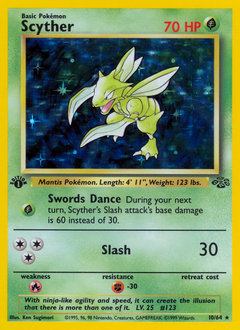
How to Store and Protect Your Trading Cards Like a Pro
Proper card storage is the difference between a collection that appreciates and one that deteriorates. Here's everything you need to know.
Flash Sale — 15% OFF Everything!
Use code WEEK15 at checkout
Your trading card collection is only as valuable as its condition. A PSA 10 card stored poorly can quickly become a PSA 6, losing thousands of dollars in value. Proper storage and protection are non-negotiable for serious collectors. This guide covers everything you need to know about preserving your cards.
Why Card Storage Matters
Trading cards are made of paper, ink, and in some cases, foil. They're susceptible to moisture, UV light, temperature changes, physical damage, and handling. Even cards that appear to be in perfect condition can have hidden damage from improper storage.
The collecting community has developed standardized grading scales (PSA, BGS, CGC) that evaluate cards on four key criteria: centering, corners, edges, and surface. Poor storage directly impacts all four of these areas.
Essential Storage Supplies
Penny Sleeves
The first line of defense for any card. Penny sleeves are thin, clear plastic sleeves that protect against dust, fingerprints, and minor surface damage.
**Recommended brands:**
- Ultra Pro penny sleeves (budget-friendly)
- Dragon Shield clear sleeves (premium clarity)
- KMC Perfect Fit (form-fitting for inner sleeving)
**Tip:** Always use penny sleeves for every card, even commons. It's the cheapest insurance you can get.
Toploaders
Rigid plastic holders that protect cards from bending, dents, and physical damage. Essential for valuable cards.
**Types:**
- Standard toploaders (3" x 4"): Most common, fits standard cards
- Magnetic holders: Premium option with easy access
- One-touch holders: Ultra-premium, used for display
**Best practices:**
- Always sleeve cards before putting them in toploaders
- Use the right size for your card (standard, jumbo, or oversized)
- Store toploaded cards vertically to prevent warping
Card Binders
Binders with 9-pocket pages are the gold standard for organizing and displaying collections.
**What to look for:**
- Acid-free and PVC-free pages
- Side-loading pages (prevent cards from falling out)
- D-ring construction (prevents page warping)
- Zipper closure (keeps dust and moisture out)
**Recommended binders:**
- VaultX binder (premium quality)
- Ultra Pro premium binder (budget-friendly)
- BCW 9-pocket binder (bulk storage)
Card Boxes
For bulk storage and organization, card boxes are essential.
**Types:**
- Standard card boxes: Hold 100-1000 cards
- Dividers: Help organize cards by set, rarity, or category
- Storage boxes: Larger capacity for extensive collections
Storage Best Practices
Temperature and Humidity
**Ideal conditions:**
- Temperature: 65-70°F (18-21°C)
- Humidity: 40-50%
- Avoid attics, basements, and garages
- Never store cards near windows or in direct sunlight
**Why it matters:** Extreme temperatures cause cards to warp, curl, or develop mold. High humidity leads to moisture damage and mildew growth.
Light Exposure
**UV light is the enemy of card collections.** Direct sunlight and fluorescent lighting can fade card colors and damage holographic surfaces.
**Tips:**
- Store cards away from windows
- Use UV-protective display cases for展示 items
- Keep binder collections in closed cabinets or drawers
- Rotate display items periodically to prevent uneven fading
Handling Practices
**The cardinal rule:** Minimize handling whenever possible.
**When handling is necessary:**
- Wash and dry your hands thoroughly
- Handle cards by the edges only
- Avoid touching the card face or back
- Work over a clean, soft surface
- Never eat or drink while handling cards
Card Cleaning
**For routine cleaning:**
- Use a soft microfiber cloth
- Gently wipe dust from the surface
- Never use water, chemicals, or cleaning solutions
- For stuck-on debris, use a soft brush
**For vintage cards:**
- Avoid any cleaning if possible
- Consult a professional conservator for damaged cards
- Never attempt to repair creases or bends yourself
Card Grading Preparation
If you're planning to get cards graded, proper preparation is essential:
1. **Pre-screen cards** using a loupe to identify potential issues
2. **Clean gently** with a microfiber cloth
3. **Check centering** using a centering tool
4. **Document condition** with high-resolution photos
5. **Package carefully** for submission to grading services
Learn more about grading services
Collection Organization Systems
By Set
Organize cards by set name and number. This makes it easy to track completion and find specific cards.
By Rarity
Separate commons, uncommons, rares, and ultra rares. This helps you quickly identify your most valuable cards.
By Value
Keep high-value cards in separate, more secure storage. This protects your most important investments.
By Deck
If you play competitively, organize cards by the decks they're used in. This makes deck building and trading easier.
Common Storage Mistakes
**Don't:**
- Store cards in rubber bands (causes edge damage)
- Use old three-ring binders (metal rings damage pages)
- Leave cards in hot cars or direct sunlight
- Stack cards without protection
- Touch card surfaces with bare fingers
- Store cards near food or drinks
**Do:**
- Use penny sleeves for every card
- Store toploaded cards vertically
- Keep collections in climate-controlled environments
- Handle cards with clean, dry hands
- Document your collection with photos and records
Storage Solutions by Collection Size
**Small collections (under 100 cards):**
- A single binder with 9-pocket pages
- Penny sleeves for loose cards
- A small card box for bulk commons
**Medium collections (100-1000 cards):**
- Multiple binders organized by set
- Toploaders for valuable cards
- Card boxes with dividers for bulk
**Large collections (1000+ cards):**
- Dedicated storage room with climate control
- Multiple binders and storage boxes
- Professional storage containers
- Insurance for high-value items
Where to Buy Storage Supplies
Quality storage supplies protect your investment. Browse our accessories collection
FAQ
How should I store valuable Pokémon cards?
Store valuable cards in penny sleeves inside toploaders or magnetic holders. Keep them in a cool, dry place away from direct sunlight. For long-term storage, consider professional grading and encapsulation.
What are the best card sleeves for collecting?
Dragon Shield Matte, KMC Perfect Fit, and Ultra Pro Eclipse are widely considered the best sleeves for collecting. They offer excellent protection, clarity, and shuffle feel.
Can I store cards in a binder?
Yes, binders with 9-pocket pages are excellent for displaying and storing collections. Use pages that hold cards securely without bending, and store the binder upright in a cool, dry location.
---
**Protect your collection with quality supplies.** Browse our card storage accessories
Cards Mentioned In This Article
Ready to add authentic cards to your collection?
Every card sold on RareNexus is carefully inspected before shipping.
Use code WEEK15 at checkout · Free shipping over $100
Shop Related Cards

mystery-bundle-10

paf-tin-charizard

obf-tin-charizard

twm-tin-greninja
Frequently Asked Questions
How should I store valuable Pokémon cards?
What are the best card sleeves for collecting?
Can I store cards in a binder?
Looking for something specific?
Browse our full collection of verified, authentic Pokémon cards.
Use code WEEK15 at checkout · Free shipping over $100
Popular Cards
obf-tin-charizard

ssp-tin-pikachu
twm-tin-greninja
paf-tin-charizard
Related Articles
in Collector GuidesHow to Spot Fake Pokemon Cards — Complete Authentication Guide
Learn to identify counterfeit Pokemon cards with our expert guide. Covering text alignment, color accuracy, holo patterns, and more.

Beginner's Guide to Buying Trading Cards Online Safely
Buying trading cards online can be overwhelming for beginners. Here's how to shop safely and get the best value for your money.
PSA vs Beckett vs CGC: Which Grading Service Is Best?
Choosing the right grading service can mean thousands of dollars in value difference. Here's an honest comparison of PSA, Beckett, and CGC.
More on These Topics
PSA vs Beckett vs CGC: Which Grading Service Is Best?
Choosing the right grading service can mean thousands of dollars in value difference. Here's an honest comparison of PSA, Beckett, and CGC.
Beginner's Guide to Buying Trading Cards Online Safely
Buying trading cards online can be overwhelming for beginners. Here's how to shop safely and get the best value for your money.
How to Tell if a Pokémon Card Is Fake
Counterfeit Pokémon cards are everywhere. Learn the proven methods to spot fakes and protect your collection from costly mistakes.
Ready to Start Collecting?
Browse thousands of authentic TCG singles, all verified and shipped from the USA.
Shop Now