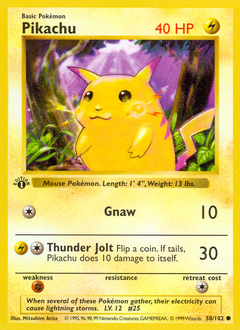
How to Tell if a Pokémon Card Is Fake
Counterfeit Pokémon cards are everywhere. Learn the proven methods to spot fakes and protect your collection from costly mistakes.
Flash Sale — 15% OFF Everything!
Use code WEEK15 at checkout
Counterfeit Pokémon cards have become increasingly sophisticated over the years. What used to be obvious knockoffs with terrible fonts and wrong colors are now near-perfect replicas that can fool even experienced collectors. Knowing how to spot fakes is essential for protecting your collection and your wallet.
Why Fake Pokémon Cards Are a Problem
The explosive growth of the Pokémon card market has attracted counterfeiters looking to cash in on the demand. Fake cards flood online marketplaces, and unsuspecting buyers often don't realize they've been duped until it's too late. The financial impact can be devastating — a buyer who thinks they've scored a $500 card for $50 may actually hold a worthless counterfeit.
Beyond the financial risk, fake cards damage the integrity of the collecting community. When counterfeits enter circulation, they erode trust between buyers and sellers. That's why learning to authenticate cards is not just good for you — it's good for the entire hobby.
Visual Inspection Methods
Check the Holographic Pattern
One of the most reliable ways to spot a fake is by examining the holographic pattern on rare cards. Real holographic cards have a specific rainbow sheen that shifts smoothly when tilted. The pattern is consistent across the entire holo area.
**Red flags:**
- The holo looks too shiny or too dull
- The pattern doesn't shift when tilted
- The holo extends beyond the intended area
- Static sparkles instead of a moving rainbow pattern
Examine the Font
Pokémon cards use a very specific font. Counterfeiters often get this wrong, using slightly different letter spacing, thickness, or style.
**What to look for:**
- The "Pokémon" text at the top should be consistent with known real cards
- Attack names and descriptions should match the official font
- The HP value font should be bold and properly spaced
- Card number text should be crisp and aligned
Check the Back Design
The back of a Pokémon card is just as important as the front. Counterfeiters often struggle to replicate the exact colors and design elements.
**Authenticity checks:**
- The Pokéball design should be centered and properly colored
- The blue border should be consistent in shade
- The "Pokémon" text at the top should be properly spaced
- The swirl pattern in the Pokéball should be visible and detailed
Verify the Colors
Real Pokémon cards have specific color profiles that counterfeits often miss. The colors may appear slightly off — too saturated, too dull, or with a different hue.
**Tips:**
- Compare side-by-side with a known authentic card
- Check that energy symbols match the official colors
- Verify that the card border color is consistent with the set
Physical Tests
The Light Test
Hold the card up to a strong light source (like your phone flashlight). Real Pokémon cards allow a specific amount of light to pass through due to their layered construction.
**How it works:**
- Hold the card face-down against the light
- You should see a faint, even glow through the card
- Fake cards often block more or less light than real ones
- The light should NOT show the image clearly through the back
The Bend Test
This test is controversial but effective. Gently bend the card (without creasing it) and release.
**What to observe:**
- Real cards spring back quickly and don't hold a bend
- Fake cards may stay bent or spring back slowly
- The card should not crease easily from gentle bending
**Warning:** Only do this with low-value cards you're willing to potentially damage.
The Weight Test
Real Pokémon cards weigh approximately 1.75 grams. Counterfeits often weigh slightly more or less due to different materials.
**How to test:**
- Use a precision scale (accurate to 0.01g)
- Weigh the card without any sleeve or holder
- Compare to the expected weight of 1.75g
- Significant deviation suggests a fake
Advanced Authentication Methods
UV Light Test
Some counterfeit cards react differently under UV light than authentic ones. This test is particularly useful for detecting rebacked cards (real front glued to fake back).
Magnification Examination
Use a jeweler's loupe or magnifying glass to examine:
- Print dot patterns (real cards have consistent rosette patterns)
- Text sharpness and clarity
- Edge quality and cutting precision
- Surface texture and finish
Professional Authentication
For high-value cards, consider professional authentication services. PSA, Beckett, and CGC
Where Fake Cards Commonly Appear
**Online Marketplaces:** eBay, Amazon, and Facebook Marketplace are hotspots for counterfeit cards, especially from unauthorized sellers.
**Flea Markets and Garage Sales:** Physical markets where sellers may unknowingly (or knowingly) sell fakes.
**Social Media Sales:** Instagram, TikTok, and Discord sales carry elevated risk due to limited buyer protection.
**Bulk Listings:** Suspiciously cheap bulk lots often contain a mix of real and fake cards.
How to Protect Yourself
1. **Buy from reputable sources.** Platforms like RareNexus
2. **Learn the common tells.** Familiarity with real cards makes fakes obvious.
3. **Start with low-value purchases.** Build your authentication skills before buying expensive cards.
4. **When in doubt, get it graded.** Professional grading eliminates all doubt.
5. **Document your purchases.** Keep receipts and screenshots for dispute resolution.
FAQ
How can I tell if a Pokémon card is real?
Check the card's weight (real cards weigh ~1.75g), examine the holographic pattern, look at the font quality, check the back design for color accuracy, and verify the card's alignment and centering.
Do fake Pokémon cards feel different?
Yes, fake cards often feel thinner, more flexible, or have a different texture than real cards. Real cards have a specific weight and stiffness that counterfeits rarely replicate perfectly.
Where do fake Pokémon cards come from?
Most fake Pokémon cards are manufactured in China and sold through unauthorized sellers on platforms like Amazon, eBay, AliExpress, and local markets at suspiciously low prices.
---
**Want guaranteed authentic cards?** Every card on RareNexusShop with confidence
Cards Mentioned In This Article
Ready to add authentic cards to your collection?
Every card sold on RareNexus is carefully inspected before shipping.
Use code WEEK15 at checkout · Free shipping over $100
Shop Related Cards

mystery-bundle-10

paf-tin-charizard

obf-tin-charizard

twm-tin-greninja
Frequently Asked Questions
How can I tell if a Pokémon card is real?
Do fake Pokémon cards feel different?
Where do fake Pokémon cards come from?
Looking for something specific?
Browse our full collection of verified, authentic Pokémon cards.
Use code WEEK15 at checkout · Free shipping over $100
Popular Cards
obf-tin-charizard

ssp-tin-pikachu
twm-tin-greninja
paf-tin-charizard
Related Articles
in Collector GuidesHow to Spot Fake Pokemon Cards — Complete Authentication Guide
Learn to identify counterfeit Pokemon cards with our expert guide. Covering text alignment, color accuracy, holo patterns, and more.

Beginner's Guide to Buying Trading Cards Online Safely
Buying trading cards online can be overwhelming for beginners. Here's how to shop safely and get the best value for your money.
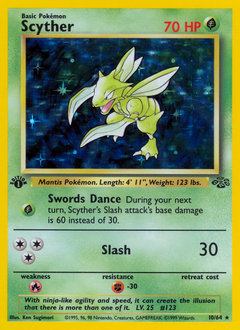
How to Store and Protect Your Trading Cards Like a Pro
Proper card storage is the difference between a collection that appreciates and one that deteriorates. Here's everything you need to know.
More on These Topics
Pokémon Card Investing: Is It Still Worth It in 2026?
Pokémon card investing has made millionaires. But is it still worth it in 2026? We analyze the data to help you make smart investment decisions.
Top 50 Most Valuable Pokémon Cards Worth Money in 2026
From the legendary Pikachu Illustrator to the iconic Base Set Charizard, here are the 50 most valuable Pokémon cards every collector should know about.
How to Spot Fake Pokemon Cards — Complete Authentication Guide
Learn to identify counterfeit Pokemon cards with our expert guide. Covering text alignment, color accuracy, holo patterns, and more.
Ready to Start Collecting?
Browse thousands of authentic TCG singles, all verified and shipped from the USA.
Shop Now